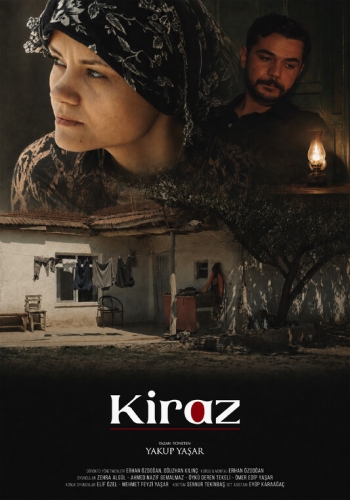
Yapım Tarihi - 2026
Süre - 00:14:00
Format - Kurmaca, Renkli, Türkçe
Yönetmen / Director - Yakup Yaşar
Senarist / Writer - Yakup Yaşar
Yapımcı / Producer - Yakup Yaşar
Ana Karakter / Key Cast
Zehra Algül, Ahmed Nazif Gemalmaz, Öykü Deren Tekeli, Ömer Edip Yaşar
Film Dünya sinemasında önemli yerde duran İranlı yönetmen Abbas Kiarostami’nin
varoluşun kuytu köşelerinde gezinen insanları anlatma biçimine gönderme
yapmaktadır. İnsanın öz yaşamında var olmak, yok olmak ve var olmamak üçgeninde
kayboluşunu başarıyla yansıttığı filmlerinde Kiarostami gerçeklik ile kurguyu
birbirinin izdüşümü olarak sunar. Onun sineması esasen gerçeğin kendisinin de
bir kurgu olabileceği yanılsamasına iter izleyiciyi. Gerçek-dışılık kurmaca
olmanın ötesine geçer böylece ve kader kavramı sorgulamaya açılır. “Kiraz” adlı
filmde de kaderin varlığından ziyade kaderin bir döngü olma olasılığı tartışmaya
açılır.
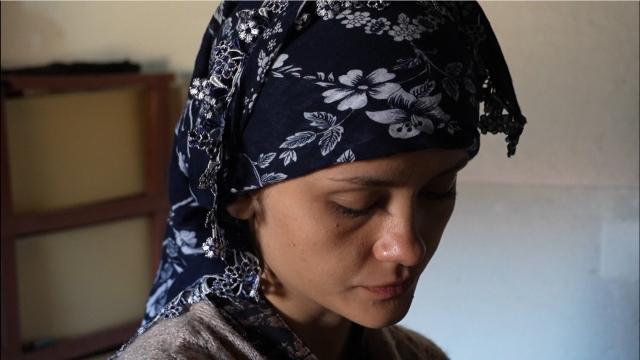
Kaderin döngüselliği sorunsalı filmin ana omurgasını oluşturmaktadır.
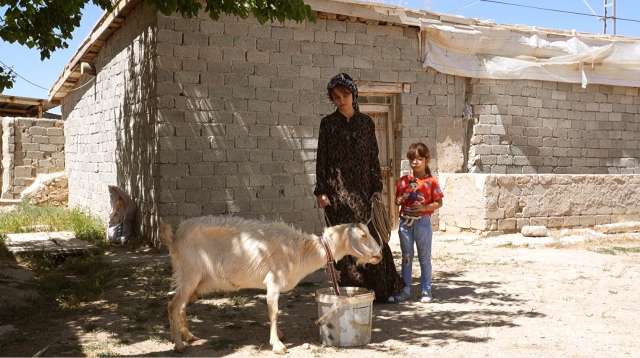
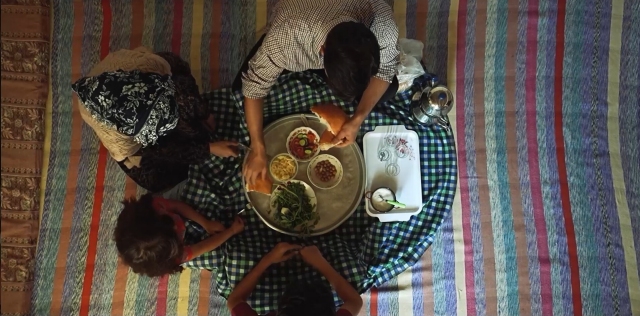
Yoksullukla boğuşan iki çocuklu bir ailenin öz yaşamına ayna tutan filmde ana
karakter Zeynep üzerinden –Milan Kundera’nın deyimiyle- “var olmanın dayanılmaz
hafifliği” kader olgusu sınırları içerisinde irdelenir.
Hayatın tekdüzeliği ve yoksulluğun dayattığı ideale ulaşamama durumu Zeynep’i
yaşamdan koparacak raddeye getirir. Doğum-yaşam-ölüm üçgeninde yaşamın
kendisiyle barışık olmayan insanların ölümü kurtuluş olarak görme yanılsaması
Zeynep’in gözlerinden izleyiciye aktarılmaktadır.
Alt metinde dolaylı olarak kimlik çatışmasına vurgu yapar film. Esasen J.P.
Sartre’ın vurguladığı insanın öz varoluş ve başka insanların gözündeki varoluşu
olmak üzere iki çeşit varoluşunun olduğu savı filmde insanın öz yaşamıyla ilgili
karar alırken bile özgür olmadığına vurgu yapar. Kişinin hayatın belli zorluk
evrelerinde ölümü arzulamasının adaletli bir duygu durumu olmadığının altını
çizer.
Zeynep yoksunluğun kendisini sürüklediği yaşamın kıyısında ölümü bireysel bir
kurtuluş olarak görme eğilimindeyken zihnindeki düşünce oltasına kader kavramı
takılır. Film süresince annesi, kendisi ve kız evladı aracılığıyla kaderin belki
de her insan için tek olduğu sadece her yaş aralığında hayatın farklı algı ile
anlamlandırıldığı meselesini sorgular. Yaşamın aynılığı başka bir yerde farklı
imkanlarla daha mutlu olma olasılığını Zeynep’in yüreğinde bir kora dönüştürür.
İnsan istenci dışında itildiği evrende mevcut koşullarla barışık yaşayamadığında
ölümü arzulamaya başlar. Zeynep de bu ruh halinin zirvesindeyken yalnızca kendi
varoluşunun sağladığı öz kimliği için değil başka insanların gözündeki
yansımalarından edindiği diğer kimlikleri için de var oluş sürecinde olduğunu
idrak eder. Eş ve anne kimliklerinin dayattığı sorumluluklar ve ölüme yürümenin
kendi dışındakilere de bedel ödeteceği gerçeği ruhunda bir yüke dönüşür.
Film tam da bu dönüşüme işaret eden sonla biter. Abbas Kiarostami’nin Kirazın
Tadı filminde vurguladığı yaşamın ağırlığının küçük detaylardaki hazlarla
hafifletilebileceği önermesiyle biter. Salt bir kiraz tadından da öte içerisinde
sevginin ve birine değer verme duygusunun da yer aldığı sonda film izleyiciye iç
ferahlatan bir kapı açar - “Yaşamak, onca yüküne rağmen sevgiyi içten paylaşan
insanlarla beraber kader yolculuğuna çıkmak demek.” İnsanın kader serüveni
hiçbir zaman mutlak huzurla ilerlemez. Herkes ruhunda taşıdığı yüklerin
ağırlığıyla imtihan olur. Kiraz filmi sunduğu önermeyle insanın imtihan
yolcuğunun çetinliğini kabul etmenin ihtimal ki yükü hafifletmenin ilk adımı
olduğuna işaret eder. Zira insan kabul etmediğinin yükü altında ezilir. Bu yükün
ağırlığı bir tek samimi sevgiyle eksilmeye başlar. Sonuç olarak Zeynep’in
izleyicinin bilinç sahnesine ölümü çağıran yolculuğu tatlı bir molayla son
bulur.
Cherry pays homage to the cinematic language of the acclaimed Iranian filmmaker
Abbas Kiarostami, whose works wander through the hidden recesses of human
existence. In his films, Kiarostami masterfully portrays humanity's perpetual
oscillation between being, ceasing to be, and the liminal state in between.
Reality and fiction emerge not as opposing forces but as reflections of one
another, inviting the audience into the unsettling illusion that reality itself
may be no more than a carefully woven narrative. Consequently, unreality
transcends the boundaries of mere fiction, and the notion of destiny becomes an
open philosophical inquiry. Likewise, Cherry is less concerned with whether
destiny exists than with the possibility that destiny itself unfolds as an
endless cycle.
The cyclical nature of fate constitutes the central backbone of the film.
Reflecting the intimate life of an impoverished family struggling to raise two
children, the narrative examines the phenomenon of destiny through its
protagonist, Zeynep, exploring what Milan Kundera famously described as the
unbearable lightness of being.
The monotony of life and the unattainability of the ideals imposed by poverty
gradually push Zeynep to the brink of emotional collapse. Through her gaze, the
audience witnesses the tragic illusion that death may appear as salvation to
those who have failed to reconcile themselves with life within the eternal
triangle of birth, existence, and death.
Beneath its narrative, the film subtly addresses the conflict of identity.
Echoing Jean-Paul Sartre's distinction between one's authentic existence and the
existence defined through the eyes of others, the story suggests that
individuals are seldom entirely free—even when making decisions concerning their
own lives. It ultimately argues that the longing for death during life's darkest
moments cannot be regarded as a just or truthful response to suffering.
As deprivation drives Zeynep toward the edge of existence, she begins to
perceive death as a form of personal liberation. Yet the concept of destiny
catches hold of her thoughts like a hook. Throughout the film, through the
intertwined experiences of her mother, herself, and her young daughter, the
narrative questions whether destiny may, in essence, be singular for all
humanity, while only our interpretation of life changes with age and experience.
The sameness of existence awakens within Zeynep the agonizing belief that life
might have been happier elsewhere, under different circumstances. That
possibility burns quietly within her heart like an ember.
When human beings find themselves thrust into a world they never chose and can
no longer make peace with the conditions imposed upon them, death begins to seem
like an escape. Standing at the peak of this despair, Zeynep comes to realize
that her existence is not defined solely by the identity she has forged for
herself, but also by the identities reflected back to her through the eyes of
others. The responsibilities imposed upon her as both wife and mother—and the
painful awareness that her own death would inevitably demand a price from those
she loves—become a burden too immense for her soul to bear.
It is precisely at this moment of inner transformation that the film reaches its
conclusion. Echoing the profound proposition articulated in Abbas Kiarostami's
Taste of Cherry—that the immense weight of life can sometimes be lightened by
the smallest moments of joy—the ending offers something far greater than the
sweetness of a single cherry. It opens a quiet yet hopeful doorway where love
and genuine human compassion become the true source of redemption:
To live is to embark upon destiny's journey alongside those who share love with
sincerity, despite all the burdens life demands us to carry.
The journey of human destiny is never one of absolute peace. Every individual is
tested by the invisible weight they carry within. Cherry suggests that accepting
the severity of this existential trial may well be the first step toward
lightening its burden. For it is the weight we refuse to acknowledge that
ultimately crushes us. Only sincere love possesses the quiet power to lessen
that burden.
Ultimately, Zeynep's journey—one that initially invites death onto the stage of
the viewer's consciousness—comes to rest in a gentle, life-affirming pause,
leaving behind not despair, but the fragile possibility of hope.